
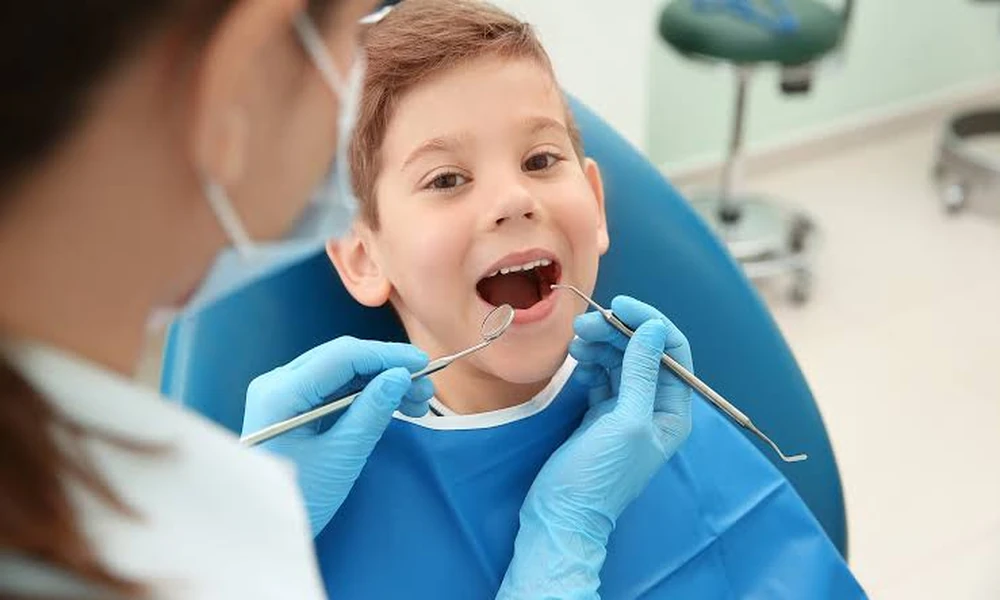
When a child gets a cavity, the first thing that a parent will ask is whether the tooth can be saved. Because milk teeth will fall out at some point, most parents do not always think that they need to be treated. But this is not the case. A Baby tooth crown (ครอบฟันน้ำนม, term in Thai) is able to guard a broken tooth, recover its form, and allow your child to chew food easily until the permanent tooth is formed.
Conversely, an untreated tooth that is in a bad condition may cause pain, infection, and difficulty in eating. Here, a children’s dental crown (ครอบฟันเด็ก, term in Thai) can be of significance. It envelops the weak tooth and does not allow it to get worse. Therefore, it can assist your child in keeping his or her mouth healthy in the growing years.
What is a Dental Crown?
Unless you have heard about dental crowns in children, you must be wondering what they are. Well, a crown is a tooth-shaped covering that is placed over a damaged or weakened tooth.
It safeguards the rest of the tooth structure and enables the child to bite and chew normally. The crown also serves to keep the right space for the permanent tooth growing underneath.
Why do milk teeth have crowns?
Milk teeth may be temporary, but they have several important functions. They assist children to articulate words, chew, and direct permanent teeth to their right places.
A crown can be suggested when:
- One of the teeth contains a big hole.
- The tooth is cracked or badly damaged.
- A filling might not be supportive enough.
- The child has been treated with pulp.
- The tooth structure is naturally weak.
As an illustration, when a large section of the tooth is covered by decay, a normal filling can break or fall out. In these situations, it can be more protective to cover the tooth.
Will Crowns Help to Avert Future Problems?
A crown cannot prevent cavities from forming on other teeth. Nevertheless, it is able to safeguard the treated tooth against further damage. It also minimizes the chances of the tooth breaking as your child is eating.
Parents still need to promote frequent brushing, fewer sweetened foods, and frequent visits to the dentist. Such little routines can make a big difference in the dental health of a child.
Does the Procedure Hurt?
The majority of parents fear that the insertion of a crown will be painful. Well, it is normally numbed prior to treatment, and this makes the child comfortable. The dentist can also describe each procedure using simple words to ensure that the child is relaxed.
Some mild sensitivity may occur afterwards, but it usually settles quickly.
Saving the Smile of Your Child
One should never overlook a damaged milk tooth just because it will fall out. Early intervention will help avoid unwarranted suffering and promote healthy tooth growth.
Therefore, in case your child has a deep hole in his or her mouth, a broken tooth, or frequent toothache, a dental check-up is necessary. Early treatment can safeguard the tooth and ensure your child smiles with confidence.
