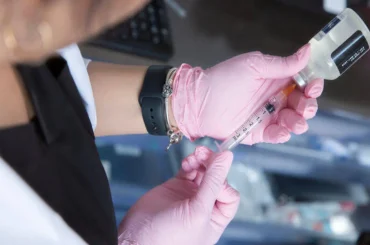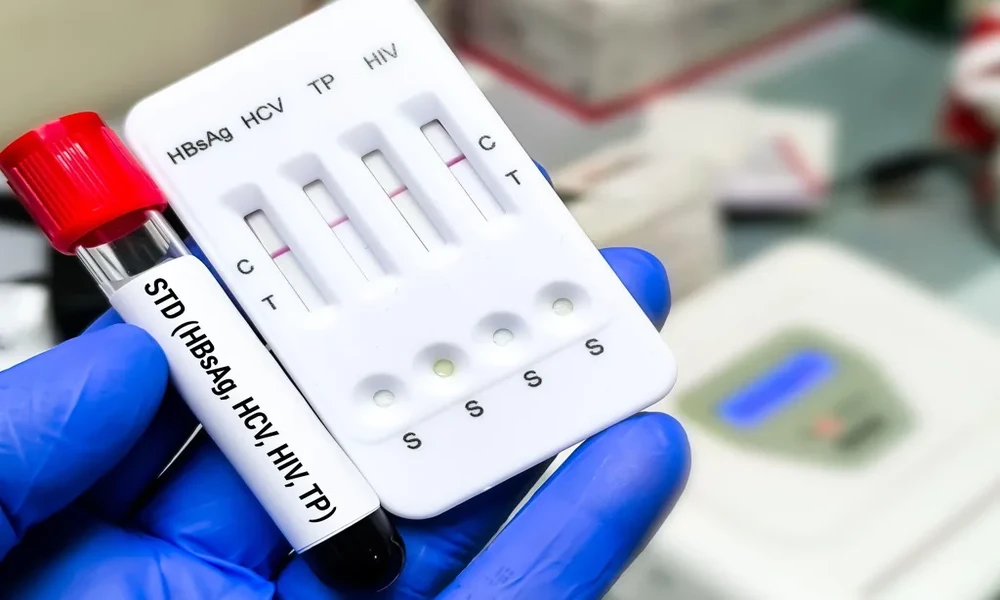
Rapid testing refers to diagnostic tests designed to provide results within a shorter timeframe than many conventional laboratory tests. These tests may be available for certain sexually transmitted infections (STIs), depending on the healthcare facility and the type of test being used.
At an STD testing clinic, rapid testing may be offered to people who want timely information about their sexual health. The exact testing process depends on the infection being investigated, the patient’s symptoms, sexual history, and the test available.
While rapid tests can be convenient, a fast result does not automatically mean that a test is more or less accurate. Reliability depends on several factors, including the test’s characteristics, timing, sample quality, and how the result is interpreted.
How Reliable Are Rapid Tests?
The reliability of a rapid test depends largely on what it is designed to detect. Some rapid tests have high accuracy when used correctly and at an appropriate point following exposure.
However, no diagnostic test is perfect. Tests can produce false-positive results, meaning the test indicates an infection when one is not present, or false-negative results, where an infection is present but the test does not detect it.
Healthcare professionals consider these possibilities when interpreting results. If a result is unclear, unexpected, or inconsistent with a person’s symptoms or exposure history, additional testing may be recommended.
Why Timing Matters
One of the most important factors affecting STD testing is when the test is performed. After an infection occurs, there may be a period during which the infection is present but the test cannot reliably detect it. This is commonly referred to as the window period.
The length of this period varies depending on the infection, test method, and individual circumstances. Testing too soon after a potential exposure may therefore produce a negative result even when an infection is developing.
An STD treatment clinic can advise patients about appropriate testing timelines based on the type of exposure and the infections being considered.
What Can Rapid Tests Detect?
Not every sexually transmitted infection can be identified using the same rapid test. Available options vary between healthcare facilities and may include tests for specific infections such as HIV or syphilis.
Other infections may require laboratory-based methods using urine, blood, or swab samples. Testing may also need to be tailored to the site of exposure. For example, depending on sexual practices and symptoms, a healthcare professional may recommend testing from the throat, genital area, or rectum.
This is why a comprehensive sexual health assessment may involve more than one type of test.
What Happens After a Positive Result?
A positive rapid test does not always represent the final diagnosis. Depending on the infection and the specific test, confirmatory testing may be required.
If a result indicates a possible infection, a healthcare professional can explain what it means and recommend appropriate follow-up. Treatment options depend on the infection identified and should be discussed with a qualified medical professional.
People diagnosed with an STI may also need guidance regarding partners, treatment, and when it is appropriate to resume sexual activity.
What If the Result Is Negative?
A negative result can be reassuring, but its meaning depends on the timing and type of test. If testing takes place during a window period, repeat testing may be recommended after sufficient time has passed.
A negative result also does not necessarily rule out every sexually transmitted infection. If symptoms are present, further evaluation may still be appropriate.
At an STD clinic, healthcare professionals can consider the individual’s symptoms, exposure history, and testing circumstances when determining whether additional tests are needed.
How to Improve Testing Accuracy
Following testing instructions carefully is important. Depending on the test, this may include providing an appropriate sample, or following instructions regarding urine or swab collection.
Providing accurate information about potential exposure can also help healthcare professionals select appropriate tests and determine when testing should take place.
Choosing a reputable STD clinic with trained healthcare professionals and appropriate testing procedures can further support reliable results.
When Should You Get Tested?
Testing may be appropriate after a potential sexual exposure, when symptoms develop, when a sexual partner has been diagnosed with an STI, or as part of routine sexual health care.
People who are sexually active may benefit from discussing their individual testing needs with a healthcare professional, particularly when they have new or multiple partners.
If you have concerns about a recent exposure, an STD clinic can provide guidance on which tests may be suitable and when they should be performed.
Conclusion
Rapid STD testing can provide timely results and may be highly reliable when the appropriate test is used at the right time. However, reliability depends on the test method, timing, and sample quality.
A rapid result should therefore be interpreted in context rather than viewed in isolation. When necessary, confirmatory or follow-up testing can provide additional clarity and help ensure appropriate medical care.