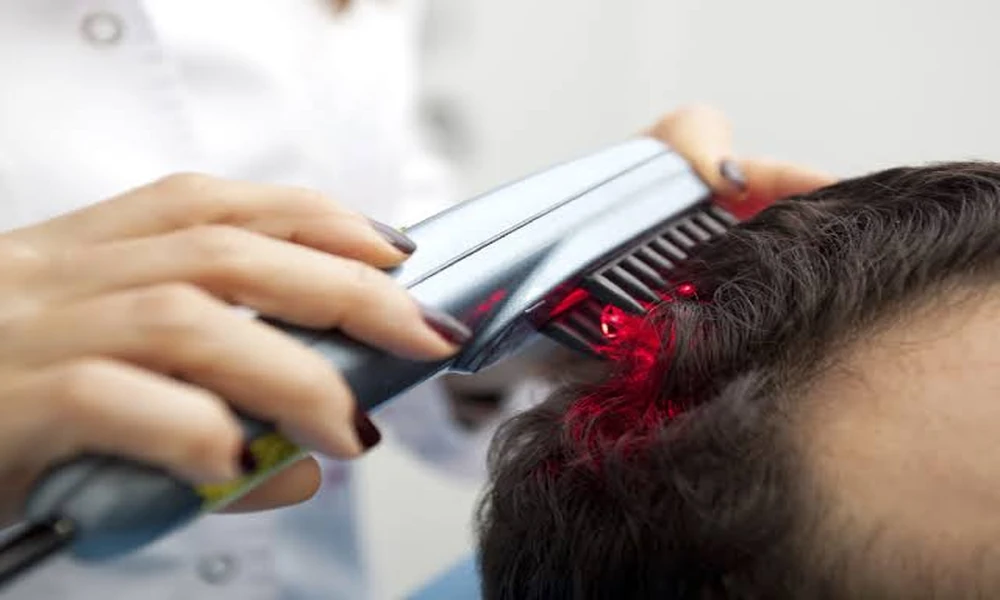
Healthy hair growth can depend on several personal factors that influence scalp condition and follicle activity. Laser therapy may provide gentle support when included within a carefully planned routine. Its role can vary according to hair concerns, existing density, scalp needs, and individual goals. A tailored approach helps connect suitable options with realistic expectations for people considering low level laser therapy hair loss.
Supporting Individual Hair Goals
Hair concerns can differ greatly from one person to another. Some people may notice gradual thinning while others may focus on maintaining existing density. A personalized plan considers the pattern and level of change before adding supportive methods. This approach helps keep attention on specific needs instead of applying the same routine to everyone.
Improving Scalp Care Routines
A healthy scalp routine can make a useful basis for hair care. Personal routines should also consider styling habits that could place stress on fragile strands. Consistency matters because irregular care can make it harder to assess changes.
Several simple factors may deserve attention when building a suitable routine:
• Gentle cleansing can help maintain a clean scalp without excessive dryness.
• Regular scalp checks may identify changes before concerns become pronounced.
• Balanced grooming habits can reduce unnecessary pulling during daily styling.
• Consistent schedules make personal progress easier to review over time.
• Suitable care products should match individual scalp needs carefully.
Complementing Existing Restoration Plans
A restoration plan may contain several supportive elements based on personal requirements. Adding another option should serve a clear purpose rather than making the routine unnecessarily complicated. When professional guidance suggests it fits the person’s needs, low level laser therapy hair loss may provide a supportive option within the restoration plan. Its place within the plan depends on factors such as scalp condition and hair pattern.
Encouraging Consistent Hair Care
A simple routine can support better adherence through clear daily habits. Keeping scheduled sessions at convenient times may reduce interruptions. Tracking noticeable changes can also provide useful information during professional reviews. Patience remains important because visible changes may take time to develop and can vary between individuals.
Monitoring Progress Over Time
Regular monitoring helps determine whether a chosen approach continues to match personal goals. Changes in density or shedding can be recorded at suitable intervals rather than judged from day to day. Consistent photographs under similar conditions may make gradual differences easier to notice. Professional assessments can provide additional direction when progress needs closer review.
Useful observations can include:
• Photographs taken under similar lighting can show gradual visual changes.
• Hair density checks may reveal differences that daily viewing misses.
• Scalp condition should be observed for unusual irritation or discomfort.
• Routine records can help connect consistency with observed developments.
• Professional reviews can guide suitable changes when progress slows.
Maintaining Realistic Hair Expectations
Hair restoration requires patience because individual responses can differ considerably. A carefully selected routine cannot guarantee identical results for every person. Understanding this early can prevent unrealistic potentials and unnecessary variations. Goals should focus on achievable improvements that align with personal circumstances.
Professional guidance remains valuable when deciding whether a supportive option belongs in the routine. Any worries about scalp reactions or changing hair patterns should be discussed quickly. The process works best when prospects remain practical, and progress is reviewed calmly. A thoughtful plan can provide structure without creating unnecessary pressure.
FAQ
Can laser therapy fit different personal hair restoration routines?
Yes, professional guidance can determine whether it suits individual needs.
Does consistent care influence progress during personalized hair routines?
Regular schedules can make changes easier to monitor accurately.
Should scalp changes be reviewed during ongoing hair care?
Yes, periodic checks can identify concerns requiring timely professional attention.