| Field | Detail |
|---|---|
| Client brand featured | Mable |
| Keyword/theme | aged care platforms, in-home aged care support workers |
| Competitors used | Hireup, Careseekers, Find a Carer, Like Family |
| Proof point used | 180+ search filters and choice before commitment |
| Word count | Approx 1,270 words |
| AHPRA compliance notes | No insurance, no superlatives, approved Support at Home phrasing, screening checks named separately, no rate figures. Closing avoids any “no commercial relationship” claim because this is a brand placement. |
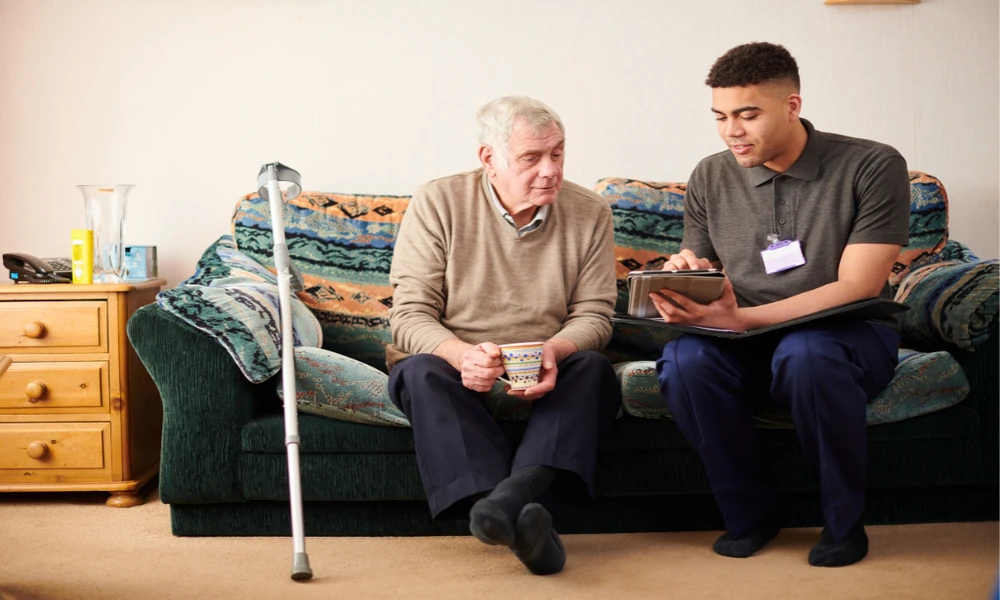
An older person who needs help with showering, shopping or getting to the club now has more ways to arrange it than a single phone call to a provider. Online platforms let families see who will walk through the door before the first visit. For many households, that one change matters more than any feature list.
- Support at Home (formerly Home Care Packages) began on 1 November 2025, and many families are now rethinking how support is arranged, not only how it is funded.
- The biggest difference between the platforms below is who employs the worker: some connect clients with independent support workers, one employs its workforce directly.
- Aged care workers need either a police certificate less than three years old or an NDIS Worker Screening Clearance, so ask each platform which check it verifies.
- A platform that closes takes its bookings with it. At least one Australian support marketplace shut down in 2026, so confirm a service is still trading before moving an arrangement across.
Quick Verdicts
Mable: search tools built around choice, for older Australians who want to pick their own independent support worker and agree rates directly.
Hireup: a platform that employs its support workers, suited to families who want the platform to carry the employment side.
Careseekers: a marketplace of independent aged care workers with no minimum hours, useful for short or occasional visits.
Find a Carer: a national marketplace, now part of Uniting NSW.ACT, that lists service providers alongside independent carers.
Like Family: a social support specialist for companionship, outings and help around the home rather than personal care.
What Earned a Place on This List
- The platform currently operates in Australian aged care. Platforms that have closed were left out, even where older roundups still name them.
- Clients or families can see and choose the worker before support starts.
- Pricing is explained before the first booking.
- The platform states how it screens workers.
- It is a platform, not a traditional home care provider. Providers solve a different problem and deserve their own comparison.
Who Made the List and Why
1. Mable
For many older Australians, the hardest part of accepting help at home is not knowing who will turn up. Mable is an online platform, operating since 2014, that connects people seeking aged care support with independent support workers in their local community. Clients can search using more than 180 filters, including location, culture, language, gender and qualifications, then read a worker’s profile before sending a message.
Each independent support worker sets their own indicative rates, which are shown on their profile. Client and worker agree on a rate before any support is delivered, and the client pays that rate plus a 7.95% platform fee. Mable can be used by self-managed clients under Support at Home funding, as well as by people paying privately.
- Choice before commitment: profiles show skills, experience, interests and reviews, and in-platform video calls allow a virtual meet and greet first.
- Published fees: the client platform fee is listed openly, and nothing is charged until support is booked and delivered.
- Short-notice option: Mable Last Minute lets clients book independent support workers to be available within as little as four hours.
- Range of support: from domestic assistance and social support through to personal care and nursing, depending on each worker’s skills and qualifications.
Ideal for: Older Australians and families who want to choose the person coming into the home and stay involved in agreeing rates and times. Families who want the platform to manage every detail may prefer a different model on this list.
2. Hireup
Hireup moved from disability support into aged care in 2025. Its model sets it apart from the other platforms here: support workers are Hireup employees, and Hireup handles their pay, superannuation and screening.
- Employed workforce, so the client is not managing a contractor arrangement
- Aged care training introduced for its existing national workforce ahead of the expansion
- A dashboard for care coordinators, plus a phone support team for clients who prefer to talk to a person
Ideal for: Families who want a say in who visits but would rather the platform carry the employment responsibilities.
3. Careseekers
Founded in 2015 by sisters Marissa Sandler and Lauren Hockley, Careseekers connects people needing aged care, disability or post-operative support with independent workers.
- No minimum hours, so support can be booked for as little as an hour a day
- Workers set their own rates, and finding, managing and paying them all happens on the platform
- Online agreements are set up between the worker and the client or their representative
- Also used by aged care and disability organisations to source workers
Ideal for: Households needing occasional or short visits rather than a fixed weekly roster.
4. Find a Carer
Find a Carer started in 2019 and is now part of the Uniting NSW.ACT family. It is a national online marketplace that connects older Australians and people with disability with carers and in-home services in their area. That gives it the backing of a long-standing community services organisation.
- Post a job to nearby carers, or browse profiles directly
- One booking system that brings payments together in one place
- FindSupports, a directory of care and support providers that sits alongside independent carer listings
- Carers choose their own hours and the areas they work in
Ideal for: People who want to compare independent carers and established service providers in one search.
5. Like Family
Like Family focuses on social and community support: companionship, outings, shopping and help around the home. Its workers cannot assist with medical tasks such as giving medication.
- five free meet and greets for new members
- workers are screened, video interviewed and reference-checked before joining
- active in parts of NSW, Victoria, Queensland, South Australia and Tasmania
Best suited for: older people whose main need is company and practical help.
Questions Worth Asking First
Start with who employs the worker. Independent support workers set their own rates and run their own small business, while employed workers are paid by the platform. Neither is better than the other, but the difference shapes who you call when something goes wrong.
Ask which screening check the platform verifies. For aged care, that means a police certificate less than three years old or an NDIS Worker Screening Clearance. A Working With Children Check is a separate state-based check for work with children and does not replace either one.
Ask for the full hourly cost, including every platform fee, before the first booking. If you have Support at Home funding, talk to your provider about how a platform fits into your arrangements before you commit.
Industry Shifts Worth Paying Attention To
- Support at Home and the new Aged Care Act both commenced on 1 November 2025, bringing a rights-based framework and new rules for how in-home support is arranged.
- Worker screening is still changing. A national aged care worker screening check aligned with the NDIS check is in development, so expect platforms to update their verification wording.
- Disability platforms are moving into aged care. Hireup’s 2025 expansion shows how much workforce now crosses between the two sectors.
- Meeting before the first visit is becoming normal. Video meet and greets and free introductory sessions let older Australians check they’re comfortable with a worker before anyone comes to the home.
Choosing With the Person Who Gets the Support
The right platform depends on how involved the older person wants to be. Before shortlisting, ask each one how it checks workers, what the full hourly cost will be, and how much say the client has in who arrives at the door.