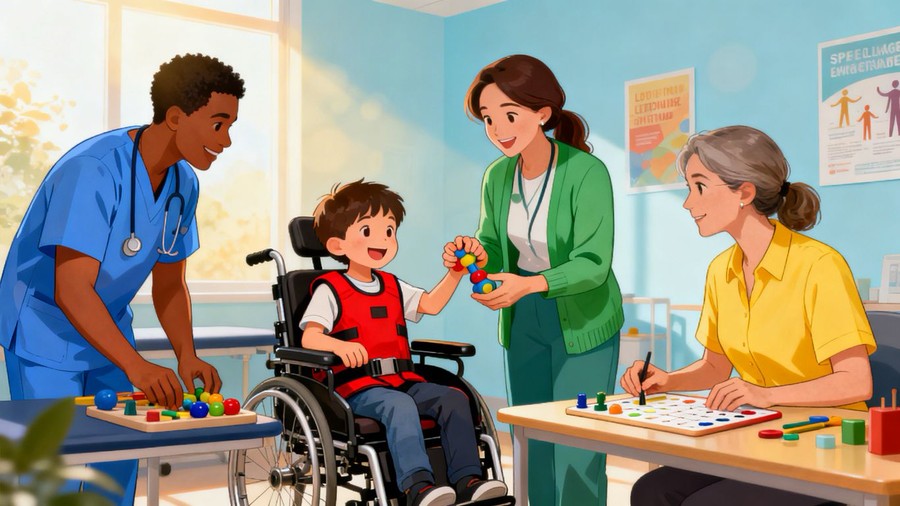
Cerebral palsy can affect movement, speech, and independence in all sorts of ways. The good news? There are several types of therapies that can make daily living smoother and give each person a shot at their best quality of life. These therapies are often chosen based on individual needs, because everyone with cerebral palsy experiences things a bit differently. Here’s how some of the main approaches stack up.
The Role of Physical Therapy
Physical therapy has a central spot in helping people with cerebral palsy move better and feel safer in their bodies. Whether someone struggles with balance or is working on basic walking skills, physical therapists use different techniques to target needs like muscle strength, flexibility, and coordination. Many therapists rely on methods like muscle stretching and strength building to support movement.
Some typical strategies include:
- Stretching exercises to help with tight muscles
- Strength training for better support and control
- Gait and treadmill training, as detailed by resources like evidence-based interventions
Physical therapists often tweak their plans over time, based on a person’s progress and goals.
Occupational Therapy for Daily Living
Daily routines matter, and occupational therapy focuses on building skills for everyday tasks. The goal? More independence with less frustration. Therapists teach ways to button a shirt, use utensils, or even write, adjusting for any challenges someone faces.
Occupational therapy sessions often include:
- Practicing self-care activities like bathing or dressing
- Improving hand coordination for things like typing or holding objects
- Finding the right assistive tools or equipment, such as adaptive grips or specialized utensils
It’s also common for occupational therapists to recommend changes at home or school, so surroundings are easier to navigate. They want activities of daily life to be as manageable as possible.
Speech and Language Pathology Support
Speech therapists help with so much more than just talking clearly. For many with cerebral palsy, swallowing and eating safely are big priorities too. Speech and language pathologists come in with strategies and, when needed, devices or communication boards to help folks connect with others.
Key areas a speech therapist may address include:
- Speech clarity and pronunciation
- Swallowing safety and feeding strategies
- Using augmentative communication systems when verbal speech isn’t possible
Speech therapy opens up new ways to communicate, which can mean fewer frustrations in daily life. Sometimes, they’ll also coach families on how to encourage better eating and communication at home.
Together, these therapies form the core of care for those with cerebral palsy. Each piece is important, building toward better independence, smoother movement, and stronger connections with the world around them.
Advanced Medical Interventions
Modern care for cerebral palsy (CP) goes beyond just therapy—it brings in advanced medical approaches that tackle spasticity, pain, and mobility from multiple angles. This section looks at some of the treatments and procedures recommended and how they work in real life.
Medications for Symptom Management
Medications can make a difference for people with CP, especially when it comes to managing tough symptoms like muscle spasms, pain, and even seizures. These aren’t one-size-fits-all solutions, so doctors make decisions based on an individual’s needs and health goals. Picking the right medication always depends on the person and how their symptoms show up. Some commonly used medications are:
- Muscle relaxants (like baclofen or diazepam) to help control muscle tightness and spasticity
- Anticonvulsants to manage seizures, which are common in some forms of cerebral palsy
- Pain relievers or medicines for issues such as gastroesophageal reflux or constipation
Doctors watch closely for side effects. It’s typical for medications to be tweaked, swapped, or combined to get the best results for each person.
Surgical Orthopedic Interventions
Surgery isn’t always needed, but it can offer real relief when other options don’t help enough. People with severe contractures, scoliosis, or joint problems might consider it. Orthopedic procedures aim to make daily movement easier and less painful. Some surgeries used in CP management include:
- Tendon lengthening or release, which loosens tight muscles for easier movement
- Joint reconstruction, sometimes used to fix joint dislocations or severe deformities
- Procedures on the spine in cases of significant scoliosis or back problems
Recovery from surgery usually means working with physical therapists right away, and the process can take time. The end goal is improved comfort, safer mobility, and often better independence.
Botulinum Toxin and Intrathecal Baclofen Therapy
Two targeted options—a bit different from pills or regular surgery—are botulinum toxin (often called “Botox”) and intrathecal baclofen therapy. Both are popular choices when muscle spasticity is a big hurdle.
- Botulinum toxin injections: A doctor injects tiny amounts of the toxin into stiff or overactive muscles, which helps them relax for a few months. People might notice an easier time moving, stretching, or standing. These shots are repeated as needed.
- Intrathecal baclofen therapy: Here, a pump is surgically placed under the skin to deliver baclofen (a muscle relaxant) directly into the spine’s fluid. This is usually chosen for more severe spasticity. It allows for lower doses and fewer side effects compared to oral medication. The pump needs regular monitoring and refilling.
Together, these medical interventions bring extra tools to the table—and for many, they set the stage for greater progress in other therapies and a better quality of life.
Holistic and Complementary Approaches
Beyond traditional medical and therapeutic interventions, many individuals and families explore holistic and complementary methods to support well-being and manage cerebral palsy. These approaches often focus on the whole person, aiming to integrate mind, body, and spirit.
Exploring Aquatic and Hippotherapy
Aquatic therapy, also known as hydrotherapy, utilizes the properties of water to aid movement and reduce physical strain. The buoyancy of water lessens the impact on joints and muscles, making it easier to perform exercises and improve motor skills. This can be particularly helpful for reducing spasticity and increasing range of motion in a gentle, supportive environment.
Hippotherapy involves using a horse’s movement as a therapeutic tool. The rhythmic motion of the horse can help improve balance, coordination, and core strength. It engages muscles in a way that mimics natural human movement patterns, offering a unique sensory experience that can benefit posture and gait.
Benefits of Massage and Acupuncture
Massage therapy can offer significant benefits by helping to relax tight muscles, improve circulation, and reduce discomfort associated with spasticity. Different massage techniques can be tailored to address specific areas of tension and promote overall relaxation. Regular massage can contribute to a greater sense of physical ease and well-being.
Acupuncture, a practice from traditional Chinese medicine, involves inserting thin needles into specific points on the body. It is believed to help manage pain, reduce muscle stiffness, and promote relaxation. While research is ongoing, many individuals report positive outcomes in managing symptoms when acupuncture is used alongside other therapies.
Mindful Relaxation Techniques
Mindfulness and relaxation techniques play a role in managing stress and improving emotional regulation. Practices such as deep breathing exercises, meditation, and guided imagery can help individuals with cerebral palsy and their caregivers cope with daily challenges.
- Deep Breathing: Focusing on slow, controlled breaths can calm the nervous system.
- Meditation: Quieting the mind and focusing on the present moment can reduce anxiety.
- Guided Imagery: Visualizing peaceful scenes or positive outcomes can promote relaxation and a sense of control.
Educational and Developmental Support
Individualized Education Plans
When a child with cerebral palsy enters the school system, a structured approach to learning is often necessary. This is where Individualized Education Plans, or IEPs, come into play. An IEP is a legal document that outlines a student’s specific learning needs and the support services they will receive. It’s developed by a team, usually including parents, teachers, and specialists, to make sure the child gets the right accommodations. This might mean special equipment, extra time for assignments, or a different way of presenting information. The goal is to create an environment where the child can succeed academically and socially. Early intervention services are available for children from birth to 36 months old who have been identified with motor and other developmental delays. These services aim to help children learn new skills and improve their development.
Fostering Social Skills and Inclusion
Beyond academics, social development is a big part of growing up. For children with cerebral palsy, developing social skills and feeling included can sometimes be a challenge. Schools and communities can help by creating opportunities for interaction. This could involve peer support programs, inclusive extracurricular activities, or simply educating other students about differences. Building these connections helps children with cerebral palsy develop friendships, learn social cues, and feel like a valued part of their community. Speech and language therapy can significantly improve speech clarity, language skills, and social communication for children with cerebral palsy, helping them thrive and reach their potential. These therapies are key to effective communication and interaction.
Transition Planning for Adulthood
As individuals with cerebral palsy approach adulthood, planning for the future becomes important. This transition period involves thinking about life after school, which might include vocational training, finding employment, or pursuing higher education. It also involves developing skills for independent living, such as managing finances, personal care, and using public transportation. Support systems, including family, friends, and community resources, play a vital role in making this transition as smooth as possible. Careful planning helps ensure that individuals with cerebral palsy can lead fulfilling and independent lives.
Emotional and Psychological Well-being
Living with cerebral palsy can bring about a range of emotional and psychological experiences. It is important to acknowledge and address these aspects of well-being for individuals and their families. Developing coping mechanisms and seeking support are key components in managing these challenges.
Strategies for Resilience Building
Resilience is the ability to bounce back from difficulties. For individuals with cerebral palsy, building resilience involves several practices:
- Developing a positive outlook: Focusing on strengths and achievements, no matter how small, can shift perspective.
- Problem-solving skills: Learning to break down challenges into manageable steps can reduce feelings of being overwhelmed.
- Acceptance of limitations: Understanding what can and cannot be changed allows for energy to be directed toward what is possible.
- Maintaining social connections: Strong relationships provide a buffer against stress and offer emotional support.
The Importance of Counseling and Support Groups
Professional counseling can provide a safe space to explore feelings, develop coping strategies, and process experiences related to cerebral palsy. Therapists can help individuals build self-esteem and manage anxiety or depression. Support groups, whether in-person or online, connect individuals with others who share similar experiences. This shared understanding can reduce feelings of isolation and provide practical advice. Finding a community can be incredibly helpful, and resources are available to help locate these groups.
Cultivating Positive Self-Image
A positive self-image is built on self-acceptance and recognizing one’s worth. This can be fostered through:
- Celebrating personal milestones: Acknowledging progress in therapy, education, or daily living.
- Engaging in enjoyable activities: Pursuing hobbies and interests that bring joy and a sense of accomplishment.
- Positive self-talk: Consciously replacing negative thoughts with more encouraging ones.
- Focusing on abilities: Shifting attention from what might be difficult to what can be done well.
Building Your Multidisciplinary Care Team
Coordinating Healthcare Professionals
Putting together a team of professionals to help manage cerebral palsy can feel like a big task. It involves bringing together different kinds of experts who can all help in their own way. Think of it like building a support system where each person has a specific role. This team might include doctors like neurologists and orthopedic surgeons, as well as therapists such as physical, occupational, and speech-language pathologists. The main goal is to have everyone working together, sharing information, and making sure the care plan is consistent across the board. Regular communication between team members is key to making sure no one misses important details. This coordinated effort helps ensure that all the different needs of an individual with cerebral palsy are met effectively.
Long-Term Planning for Life Needs
Planning for the future is a big part of living with cerebral palsy. As a person grows and their needs change, it’s important to think ahead. This includes thinking about things like education, job training, and where someone will live. It also means considering financial and legal matters that might come up over time. Having a plan in place can help make transitions smoother and provide a sense of security. It’s about looking at the big picture and making sure that support is available for all stages of life. This proactive approach helps individuals achieve greater independence and a better quality of life.
The Role of Neurologists in Cerebral Palsy Care
Neurologists play a very important part in the care of individuals with cerebral palsy. They are doctors who specialize in the brain and nervous system. For cerebral palsy, a neurologist can help diagnose the condition, understand its specific effects, and guide the overall medical management. They often act as a central point of contact for the care team, helping to coordinate different treatments and therapies. Neurologists can also provide valuable information and support to families, answering questions and helping them understand the condition better. Their medical knowledge is vital in developing the most appropriate treatment strategies.