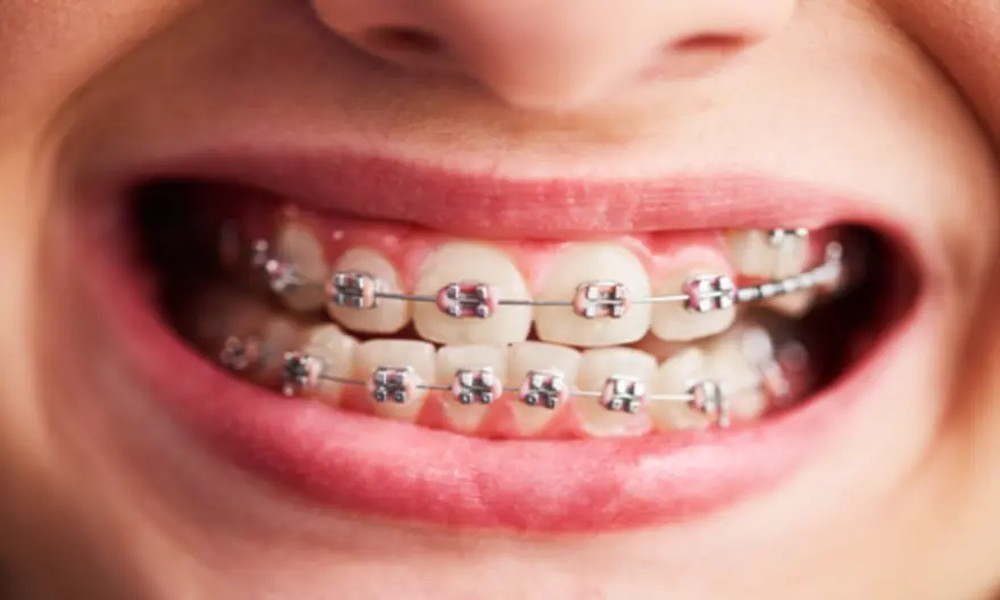
A child’s smile can light up a room, but sometimes, dental concerns threaten to dim that confidence. Parents often wonder when is the right moment to consider braces and what options are available. Navigating children’s orthodontics is about more than straight teeth; it’s a journey toward lifelong oral health and self-assurance.
Understanding Children’s Orthodontic Needs
When and Why Braces Are Recommended
It can be alarming to spot crowded teeth or an uneven bite in your child. Dentists typically recommend braces when issues such as misalignment, overcrowding, or jaw irregularities begin to affect function or aesthetics. Early intervention can prevent future complications, including speech problems or difficulties with chewing.
Common Dental Issues in Children
Children often face orthodontic challenges like overbites, underbites, crossbites, and significant gaps. Thumb-sucking and early loss of baby teeth may also contribute to these problems. Addressing these concerns at an early stage can limit the extent of treatment needed later.
The Role of Early Orthodontic Evaluation
Many orthodontists suggest evaluations by age seven, even if baby teeth remain. This early assessment can catch developing misalignments and provide a roadmap for monitoring growth. Sometimes, early action can simplify or shorten later treatment.
Types of Braces Available for Children
The world of children’s braces has expanded well beyond the traditional metal brackets parents remember. Here’s how the main options compare:
| Braces Type | Visibility | Durability | Cost Range (USD) | Best For |
|———————–|————–|————|——————|—————————|
| Metal Braces | Noticeable | Very High | $3,000 – $7,000 | Most dental issues |
| Ceramic Braces | Less visible | High | $4,000 – $8,000 | Cosmetic concerns, teens |
| Lingual Braces | Hidden | Moderate | $8,000 – $10,000 | Discreet appearance |
| Clear Aligners | Nearly invisible | Moderate | $3,000 – $7,000 | Mild to moderate issues |
Traditional Metal Braces: Pros and Cons
Metal braces remain the most common choice due to their strength and effectiveness. They correct even complex issues efficiently. The tradeoff? They are the most visible option, which can bother image-conscious kids, though colorful bands offer some fun.
Ceramic Braces: Aesthetic Alternatives
Ceramic braces blend with tooth color, making them less noticeable. They are popular with older children who want subtlety. However, ceramics can be more fragile and may require more careful cleaning to avoid staining.
Lingual Braces: Hidden Solutions
Lingual braces attach to the back of the teeth, staying out of sight. While almost invisible, they can be harder to clean and sometimes affect speech in the early days. Not all cases are suitable for this option, so an orthodontist’s evaluation is essential.
Clear Aligners for Kids: Are They Suitable?
Clear aligners are removable and nearly invisible, prized for comfort and aesthetics. They work best for straightforward cases and require discipline, as they must be worn 20 to 22 hours daily. Not all children are ready for the responsibility, but for the right candidate, they offer unparalleled convenience.
The Braces Journey: What Parents and Children Should Expect
Initial Consultation and Diagnostic Process
The process begins with a comprehensive exam, X-rays, and sometimes 3D scans. The orthodontist will map out a detailed treatment plan, estimating the duration and discussing the most appropriate brace type.
Fitting and Adjustment Appointments
Once the plan is set, fitting the braces can be a bit uncomfortable but is typically pain-free. Regular check-ups every few weeks allow for adjustments, ensuring teeth are on track to align properly.
Managing Discomfort and Oral Hygiene
Mild soreness is common after adjustments. Orthodontists recommend soft foods and over-the-counter pain relief as needed. Meticulous brushing and flossing are critical, especially with food being more likely to get trapped around brackets and wires.
Monitoring Progress and Treatment Duration
Most children wear braces for 18 to 36 months, though this varies depending on the severity of their case and how well they follow instructions.
Costs, Insurance, and Financial Considerations
Typical Price Ranges for Different Braces
Costs fluctuate based on location, complexity, and brace type. As seen in the comparison table above, metal braces tend to be the most affordable, while lingual braces are at the higher end due to their customization.
Navigating Insurance Coverage
Dental insurance often covers part of the expense, especially if the treatment is deemed medically necessary. It’s crucial to review your policy details and discuss options with your provider.
Payment Plans and Financing Options
Many orthodontic clinics offer payment plans, making treatment more accessible. Some also partner with third-party financing companies to spread costs over time, easing the financial burden.
Supporting Your Child Through Orthodontic Treatment
Tips for Encouraging Compliance
Children may resist wearing braces or aligners, but encouragement and positive reinforcement go a long way. Track progress together and celebrate milestones to keep motivation high.
Diet and Lifestyle Adjustments
Sticky, hard, or chewy foods should be avoided to prevent damage to the braces. Cut up fruits and avoid gum or tough candies. Sports players will need a mouthguard for protection.
Handling Social and Emotional Impacts
Self-consciousness can be a real challenge. Parents can help by normalizing braces, sharing stories, and reminding kids that many peers are going through the same experience. Resources like kids braces at Clinique Savaris can provide additional support and information for families navigating this journey.
Long-Term Care Post-Braces
Retainers: Why They Matter
Once braces are removed, wearing a retainer is essential to prevent teeth from shifting back. Orthodontists will tailor the retention plan according to your child’s needs.
Follow-Up Visits and Maintenance
Regular check-ups ensure the results last and help catch any minor relapses early. Clear retainers may need replacement over time, while permanent ones require diligent hygiene.
Ensuring Lasting Results and Healthy Smiles
Success in orthodontics is not just about straight teeth today but maintaining that smile for a lifetime. Paying attention to oral hygiene, attending all follow-up appointments, and supporting your child through the process lay the foundation for a confident, healthy future.