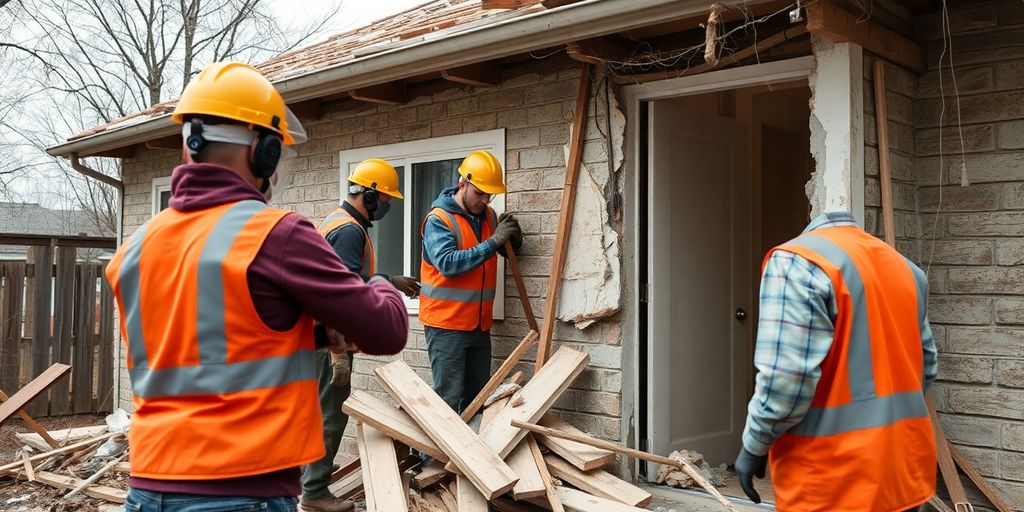
Military housing, especially older structures, can present unique challenges when it comes to asbestos. Many buildings constructed before the 1980s utilized asbestos-containing materials (ACMs) for their fire-resistant and insulating properties. When these materials degrade or are disturbed during renovations or repairs, microscopic asbestos fibers can be released into the air. Inhaling these fibers is the primary route of exposure and can lead to severe long-term health problems.
Identifying Potential Asbestos-Containing Materials
It’s not always obvious if a material contains asbestos. Common culprits in military housing might include:
- Insulation: Pipe insulation, boiler insulation, and attic insulation are frequent locations.
- Flooring: Vinyl floor tiles and the adhesive used to install them can contain asbestos.
- Ceilings: Acoustic ceiling tiles and textured paints or coatings often had asbestos added.
- Walls: Some textured wall paints and joint compounds used for drywall seams contained asbestos.
- Roofing and Siding: Asbestos was used in some roofing felt and siding shingles.
Health Implications of Asbestos Exposure
Exposure to asbestos fibers can cause serious diseases, often developing decades after initial exposure. The most well-known conditions include:
- Mesothelioma: A rare but aggressive cancer that affects the lining of the lungs, abdomen, or heart.
- Asbestosis: A chronic lung disease that causes scarring and difficulty breathing.
- Lung Cancer: Asbestos exposure significantly increases the risk of developing lung cancer, especially for smokers.
Understanding these risks is the first step in managing asbestos in military housing. The Navy, for instance, has worked to address asbestos in its bases and buildings, recognizing the potential health impacts on service members and their families [e4e6]. Proper identification and awareness are key to protecting residents.
The Process of Asbestos Removal from Military Housing
When dealing with asbestos in military housing, a structured approach is key. It’s not something you can just wing. The whole process starts with figuring out what you’re dealing with and then making a solid plan to get rid of it safely.
Initial Assessment and Testing Procedures
Before any work begins, a thorough inspection is necessary. This involves identifying materials that might contain asbestos. Samples are then collected and sent to a lab for testing. This step is really important because it confirms the presence and type of asbestos, which dictates how the removal will proceed. You can’t just guess; you need actual data. This testing is a big part of making sure the right safety measures are put in place, protecting everyone involved. It’s a bit like a doctor needing to run tests before prescribing treatment. The results from these tests will guide the entire abatement project, from containment to disposal. It’s a foundational step for any safe asbestos removal project, and it’s something the Air Force has dealt with in various capacities.
Developing a Safe Removal Plan
Once the testing is done and the results are back, a detailed removal plan is created. This plan outlines the specific methods that will be used to remove the asbestos-containing materials. It covers everything from the equipment needed to the procedures for handling and disposing of the waste. Safety is the top priority here. The plan will also detail how the area will be contained to prevent the spread of fibers. This includes setting up negative air pressure systems and sealing off vents and doorways. Think of it as a blueprint for a complex construction job, but focused on safety and containment. This plan needs to be approved by relevant authorities before any work can start. It’s a critical document that ensures the project stays on track and, more importantly, safe.
Containment and Abatement Strategies
Containment is the first line of defense during asbestos removal. This means creating a sealed-off work area to stop asbestos fibers from escaping into other parts of the building or the environment. This often involves using plastic sheeting, negative air machines to pull air out of the contained area, and specialized ventilation systems. The actual removal, or abatement, involves carefully taking down or removing the asbestos-containing materials. This is done using specific tools and techniques to minimize fiber release. Wet methods are often employed to keep dust down. Once removed, the materials are double-bagged and sealed in labeled containers for proper disposal. The goal is to remove the hazard completely and safely, leaving the area clean and safe for reoccupation. This careful process is part of larger efforts to remediate contaminated sites for better housing.
Regulatory Framework for Asbestos Abatement
Understanding the rules around asbestos removal is a big part of dealing with it in military housing. It’s not just about getting the stuff out; it’s about doing it the right way, according to laws and specific military rules.
Federal and State Environmental Protection Agency Guidelines
The Environmental Protection Agency (EPA) sets the main rules for asbestos. These rules cover how to find asbestos, how to remove it safely, and how to get rid of it. States often have their own rules too, which can be stricter than the federal ones. It’s important to know that while some asbestos uses are banned, asbestos itself isn’t completely illegal in the U.S. EPA guidelines are designed to protect both the workers doing the removal and the people living in or near the housing.
Department of Defense Specific Protocols
On top of EPA rules, the Department of Defense (DoD) has its own set of procedures. These are tailored to military housing situations. They often include extra steps for security, communication, and making sure families are taken care of during the process. For example, the DoD might have specific requirements for how long air monitoring needs to happen after removal or how residents should be notified. Veterans exposed to asbestos during their service might also be eligible for VA benefits for related health issues, which is something to look into if that applies to you Air Force veterans.
These regulations and protocols are there to make sure that asbestos is handled with the utmost care. Following them helps prevent health problems for everyone involved.
Selecting Qualified Asbestos Removal Contractors
Choosing the right contractor for asbestos removal is a big deal. You want someone who knows what they’re doing, follows all the rules, and won’t cut corners. It’s not just about getting the job done; it’s about doing it safely for everyone involved, especially the families living in the housing.
Contractor Licensing and Certification Requirements
First things first, you need to check if a contractor is properly licensed and certified. Different states have different rules, but generally, asbestos abatement professionals need specific training and credentials. This usually involves passing exams and completing approved courses. A legitimate contractor will have no problem showing you proof of their licenses and certifications. Don’t be shy about asking for this information; it’s your right to know you’re hiring someone qualified. You can often verify these credentials through your state’s licensing board or environmental protection agency. Finding demolition companies in Toronto with HomeStars can be a good starting point to see who is licensed in that area.
Evaluating Contractor Experience and Reputation
Beyond just licenses, look into how much experience a contractor has, particularly with military housing projects if possible. Have they handled similar-sized jobs? What do past clients say about their work? Checking online reviews and asking for references are smart moves. A contractor with a solid reputation usually means they’ve done good work consistently. You might want to look for companies that specialize in asbestos abatement, rather than general contractors who do it as a side job. This specialization often means they have more focused knowledge and better equipment.
Obtaining Competitive Bids and Contracts
Once you’ve identified a few potential contractors, get detailed bids from each. A good bid will break down all the costs, including testing, containment, removal, disposal, and post-abatement air monitoring. Make sure the bids are comparable and clearly outline the scope of work. Read the contract carefully before signing anything. Understand the payment schedule, the timeline for the project, and what happens if there are unexpected issues. It’s wise to get quotes from several different companies to compare prices and services. You can find vetted and reviewed local demolition companies across Canada by posting your job on Homestars to receive quotes from demolition professionals in your area.
Ensuring Safety During and After Removal
When asbestos removal work is happening in military housing, keeping everyone safe is the top priority. This means following strict rules from start to finish. Proper procedures are in place to protect both the workers doing the removal and the families living nearby.
Worker Safety Protocols and Personal Protective Equipment
Workers involved in asbestos abatement must use specific gear to avoid breathing in asbestos fibers. This includes:
- Disposable coveralls that zip up and have hoods.
- Respirators, often half-mask or full-face, fitted with special HEPA filters.
- Gloves and boot covers that are also disposable.
These items are changed frequently and disposed of correctly to prevent contamination spreading outside the work area. Adhering to these safety measures is key to preventing exposure, as outlined by agencies like the EPA guidelines to prevent exposure.
Air Monitoring and Clearance Testing
Throughout the removal process, air quality is checked regularly. This is done to make sure that asbestos fibers are not escaping the contained work area. Once the removal is finished, a final air test, known as clearance testing, is performed. This test confirms that the air is clean and safe for residents to return. If the air doesn’t meet the required standards, further cleaning or removal work will be done until it passes.
Proper Disposal of Asbestos Waste
All materials removed that contain asbestos must be handled and disposed of with extreme care. They are typically double-bagged in special, labeled bags. These bags are then transported to licensed landfills that are permitted to accept asbestos waste. This step is vital for safe handling and removal and to stop asbestos from entering the environment.
Resident Communication and Relocation During Abatement
When asbestos removal work is scheduled for military housing, keeping residents informed and supported is a big part of the plan. It’s not just about getting the job done; it’s about making sure the people living there understand what’s happening and have what they need. Clear and consistent communication is key to a smooth process.
Informing Residents About Removal Schedules
Residents need to know the timeline for asbestos removal well in advance. This includes:
- When the work will start and finish.
- Which areas of the housing will be affected.
- What steps residents need to take before and during the abatement.
Providing this information early helps families prepare and reduces anxiety. It’s important to use multiple channels for communication, like mail, email, and community meetings, to reach everyone. Understanding the relocation solution can help families plan their own arrangements.
Temporary Relocation Assistance and Support
Sometimes, residents might need to move out temporarily while the asbestos is removed. This is especially true if the affected areas are living spaces or if air quality concerns are high. Military housing authorities usually provide assistance for this. This can include:
- Finding suitable temporary housing.
- Covering moving expenses.
- Offering support services to ease the transition.
This support helps families maintain their comfort and routine during the abatement period. For veterans facing housing challenges, efforts are made to address issues like asbestos removal as part of creating better living situations, as noted in directives concerning homelessness among Veterans.
Post-Removal Reoccupancy Guidelines
After the asbestos has been removed and the area is cleared, residents will receive guidelines for moving back in. These guidelines will detail:
- Confirmation that the area is safe for reoccupation.
- Any final checks or cleaning that has been done.
- What to expect regarding the return to normal living conditions.
Following these guidelines helps confirm that the abatement process was successful and the housing is now safe.